Trusted by Boards, HOAs, and Property Managers
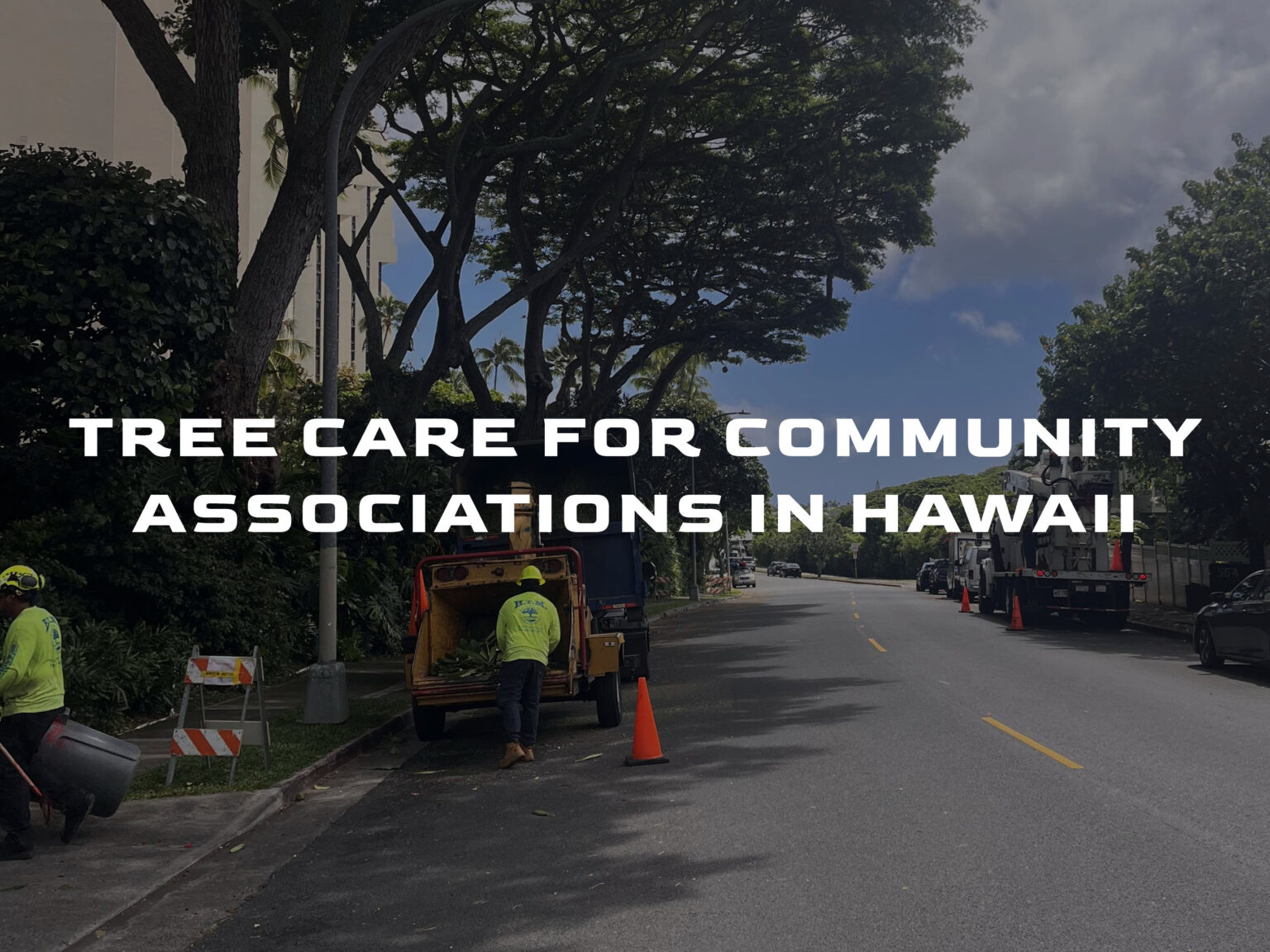
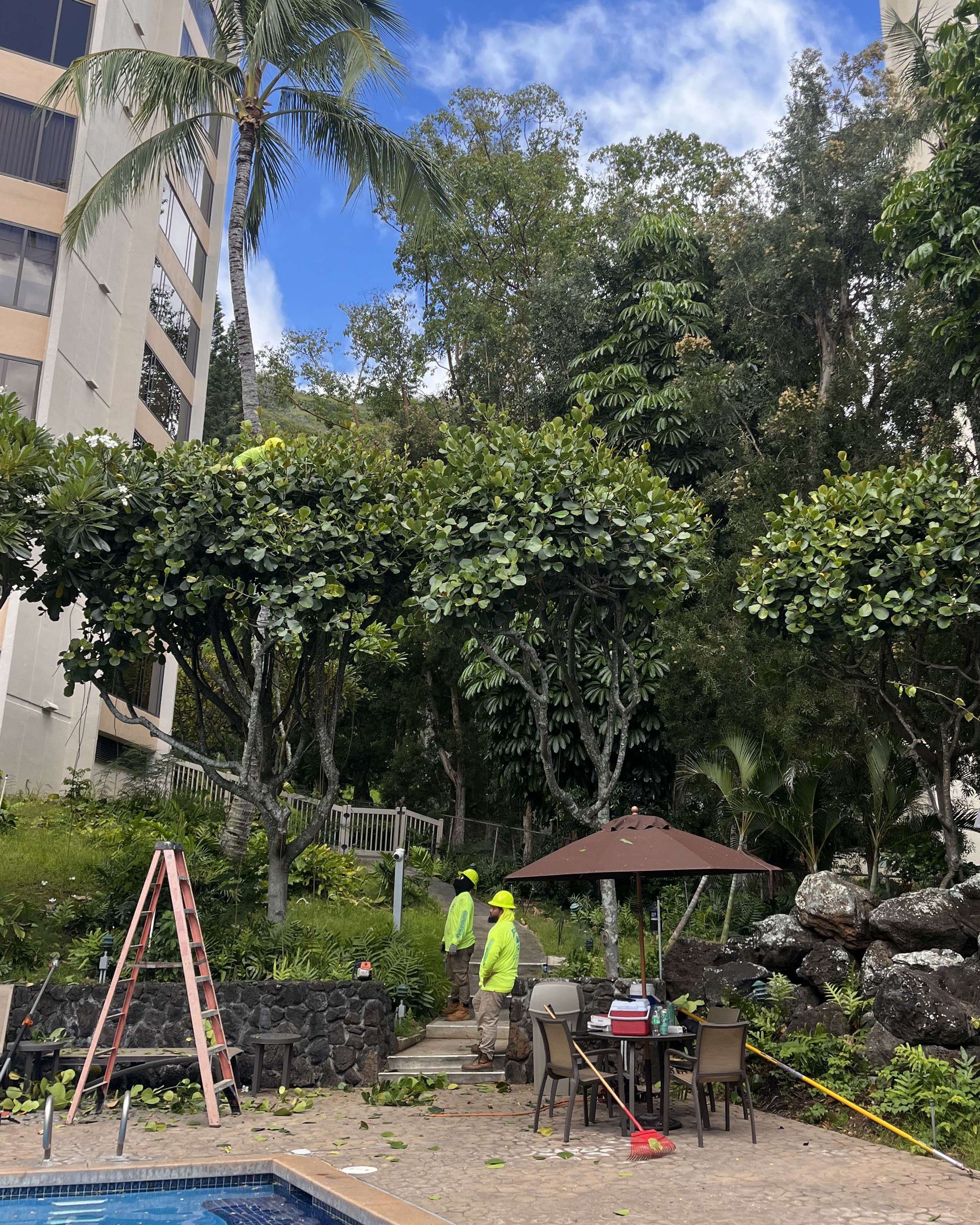
Community associations across Oahu range from small walk-up buildings with a couple of trees to large complexes with a full canopy across shared grounds. Whatever the size, tree and palm maintenance is one of the most overlooked line items on a board's budget — until a dead frond drops on a walkway or an overgrown limb blocks a sidewalk. HTM Contractors works with associations and property managers throughout Oahu to keep trees healthy and residents safe, at any scale.
Why Regular Tree Care Matters for Associations
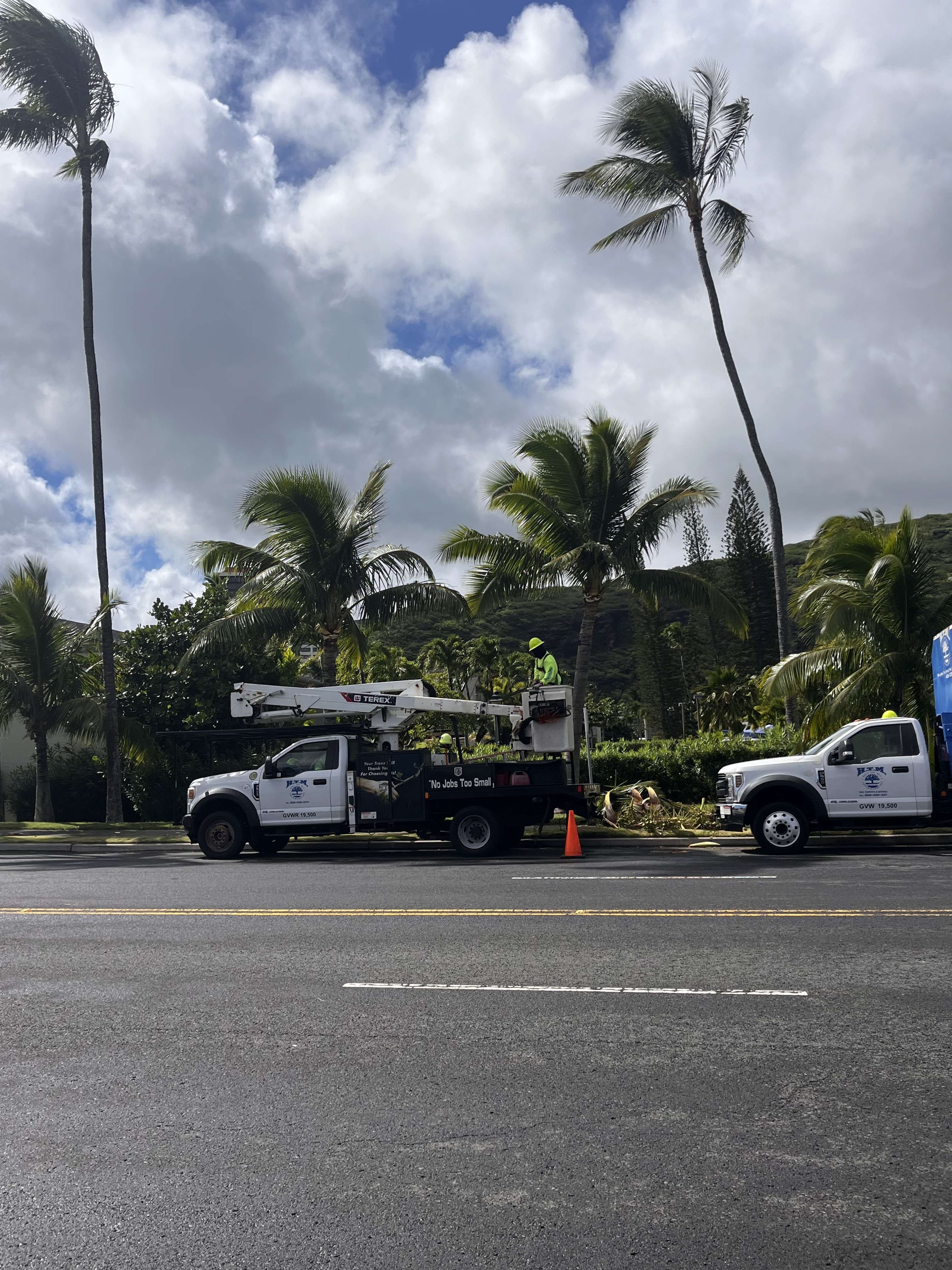
Unlike a single-family yard, association grounds see constant foot and vehicle traffic — residents walking to their units, guests parking, kids playing near common areas. A hazard limb or a loose frond isn't just an eyesore; it's a liability the board is responsible for. Routine tree pruning removes dead, diseased, and crossing branches before they become a problem, while also improving airflow and light for the tree itself.
Regular care also protects property value. Overgrown or damaged trees can affect curb appeal and, in some cases, insurance requirements for common-area landscaping. Associations that stay ahead of trimming schedules typically spend less over time than those that wait for an emergency call.
Palm Care Comes With Its Own Challenges
Palms are a signature part of Hawaii landscaping, but they need different care than broadleaf trees — and they come with a threat broadleaf trees don't: the coconut rhinoceros beetle (CRB). CRB damage shows up as distinctive V-shaped cuts on palm fronds, and left untreated, it can kill a mature palm. Catching it early, during a routine trim, is far cheaper than treating advanced CRB damage later.
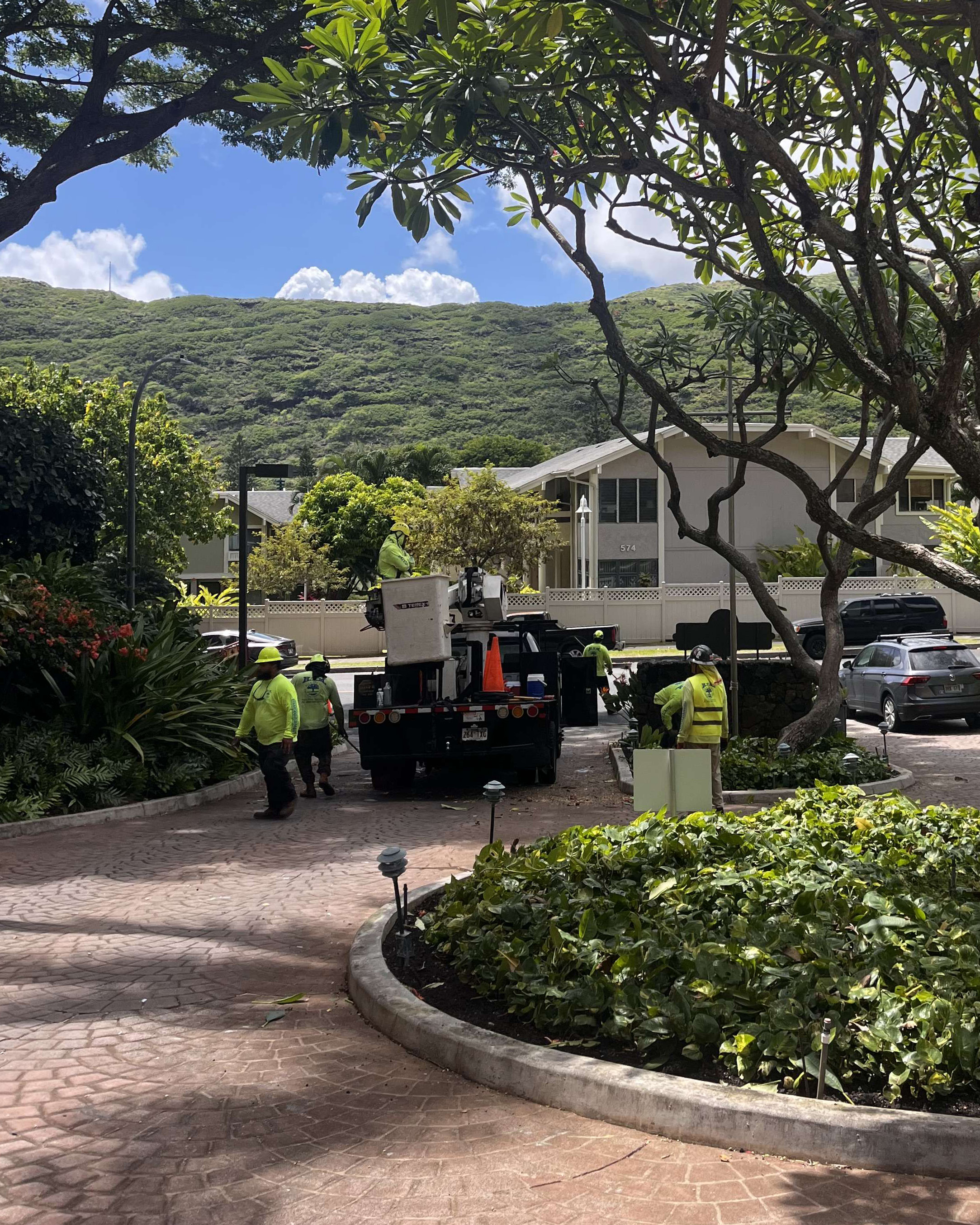
Because of this, we recommend associations with palms on the property have them inspected on a regular schedule rather than waiting until fronds are visibly dead. See our guide to palm tree trimming benefits for more on what a proper trim actually does for the tree.
Multi-Species Grounds Need a Tailored Approach
Most association properties aren't landscaped with just one species. A single job might involve monkeypod, plumeria, coco palm, and autograph trees — each with a different pruning method, growth pattern, and ideal trim frequency. We've written more on this in our guide to tree shaping for property owners and associations. Treating every tree on a property the same way is one of the most common mistakes we see, and it's part of why a one-off call often costs more in the long run than a coordinated maintenance plan.
What to Expect When You Work With HTM
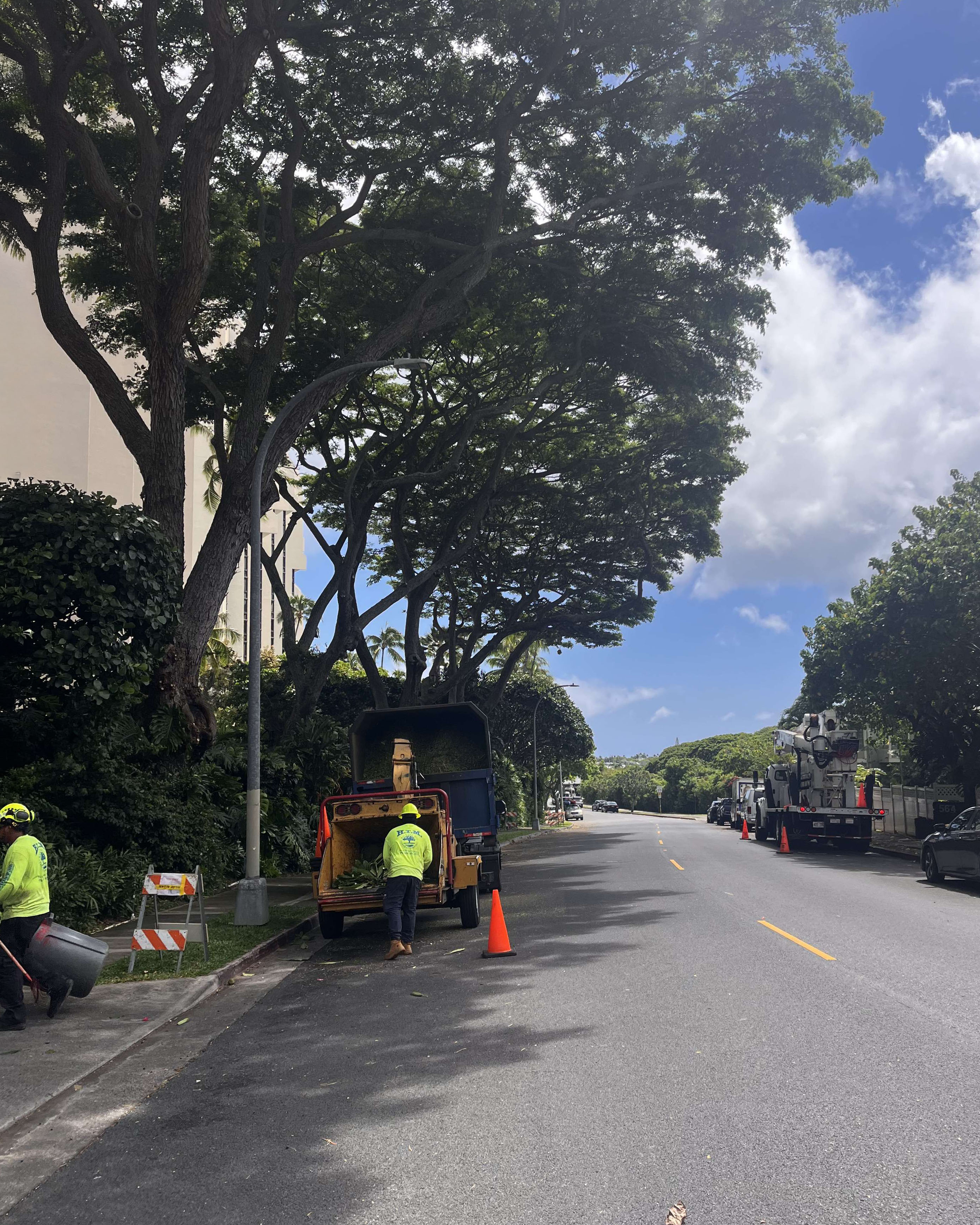
We start with a walk of the property to assess every tree and palm, flag anything that needs immediate attention, and put together a scope that fits the association's budget and schedule — whether that's a single visit or a recurring maintenance plan across multiple properties. Our crews carry the equipment for everything from routine crown cleaning to full removal and stump grinding, so there's no need to bring in a second contractor if a tree needs to come out entirely.
Frequently Asked Questions
How often should palm trees be trimmed?
Most coco and Royal palms on Oahu do well with a trim every 6 to 12 months, though palms near walkways, parking, or pools may need more frequent attention to manage frond drop safely.
Who is liable if a tree branch falls on association property?
Liability generally falls on the association or property manager responsible for maintaining common-area trees, which is why many boards choose a recurring maintenance schedule rather than reactive, as-needed trimming.
Can you manage tree care across multiple association properties?
Yes. We work with property managers who oversee several associations and can coordinate scheduling across all of them, so each property stays on the same maintenance cadence.
If your association's trees or palms are due for an assessment, we're happy to take a look. Visit our tree services page or call 808-456-3311 to schedule a walkthrough.