From Planning to Dust: The Process of Heavy Demolition in Hawaii
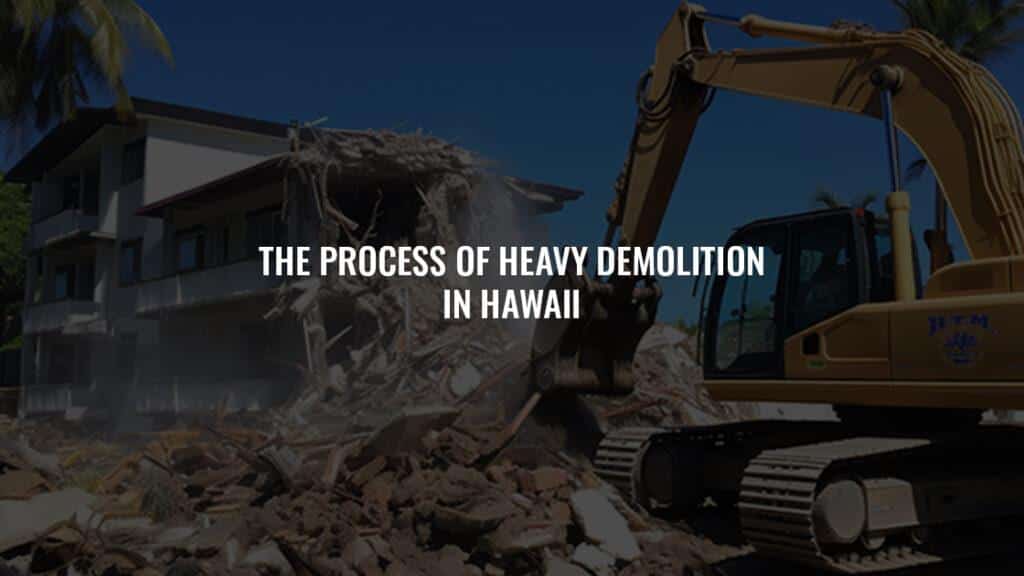
In the ever-changing landscape of Hawaii, heavy demolition stands as a critical yet often overlooked component of urban evolution. HTM Contractors brings a nuanced understanding to this complex process. This guide delves into the multifaceted world of demolition in Hawaii, exploring how careful planning, environmental consideration, and technical expertise come together to safely and efficiently transform spaces. Section 1: Project Assessment and Planning 1. Site Analysis At HTM Contractors, the first step in any heavy demolition project is a comprehensive site analysis. This phase is crucial as it lays the groundwork for the entire operation. Our team conducts a thorough examination of the site to assess various aspects: 2. Regulatory Compliance and Permit Acquisition Hawaii has specific regulations and requirements for demolition, which HTM Contractors meticulously adheres to. Our team navigates the complex regulatory landscape by: 3. Project Planning With a thorough understanding of the site and regulatory requirements, we move to the planning phase. This step is where HTM Contractors’ expertise truly shines, as we develop a tailored demolition plan for each project. Section 2: Pre-Demolition Preparations 1. Safety Measures Safety is paramount in any demolition project, and at HTM Contractors, we adhere to the highest standards. Before the physical demolition begins, several safety measures are put in place: 2. Utility Disconnection and Hazardous Material Handling Prior to demolition, it’s critical to address utilities and hazardous materials: 3. Resource Allocation and Staffing Effective resource management is key to a successful demolition project: Section 3: Demolition Execution 1. Demolition Techniques HTM Contractors utilizes a range of demolition techniques, each chosen based on the specific requirements of the project: 2. Machinery and Equipment The right machinery is crucial for effective demolition: 3. Debris Management and Recycling Proper handling of demolition debris is a critical aspect of our work: Section 4: Post-Demolition Processes 1. Site Restoration and Rehabilitation After the main demolition work is complete, HTM Contractors focuses on restoring and rehabilitating the site: 2. Final Reporting and Documentation The conclusion of a demolition project involves meticulous documentation: Connect with HTM Contractors for Comprehensive Demolition Services Ready to embark on your next demolition project in Hawaii? Reach out to HTM Contractors, where precision, reliability, and unmatched expertise come together to deliver exceptional demolition services. Why Choose HTM Contractors? If you’re looking for a demolition partner who values precision, safety, and environmental responsibility, HTM Contractors is your ideal choice. We’re committed to delivering top-tier demolition services that align with your specific needs and goals. Read Premier Lot Clearing Services for High-End Projects in Hawaii Get in Touch Today! Don’t hesitate to contact us for any demolition project, big or small. Send us a message to discuss your needs, and let us show you how we can bring your project to successful completion with our expert approach.
Post-Storm Tree Safety: Assessing and Acting on Tree Hazards in Hawaii
In the wake of a storm or hurricane in Hawaii, particularly in regions like Oahu, one of the primary concerns for property owners is the stability and safety of their trees. Understanding what signs to look for and the steps to take can be crucial in preventing damage or injury. This guide will help you navigate the post-storm landscape with confidence. 1. Initial Safety Assessment Read How to Prepare Your Trees for Hawaii’s Hurricane Season: Expert Tips 2. Signs of Tree Damage 3. Assessing Tree Health 4. When to Call a Professional View Our Emergency Tree Removal Services In Hawaii 5. Dealing with Minor Damage 6. Preventive Measures for Future Storms After a storm in Hawaii, assessing tree safety is a critical step. While minor issues can often be handled independently, for significant damage or concerns, it’s essential to involve professional arborists. aking these steps will help ensure the safety of your property and contribute to the health and longevity of your trees. Concerned about your trees after a storm in Hawaii? Contact us for a free tree evaluation and peace of mind. Our expert team is ready to help ensure your trees are safe and sound.
How to Prepare Your Trees for Hawaii’s Hurricane Season: Expert Tips
In Hawaii, the hurricane season poses significant challenges for homeowners with trees. Effective tree preparation is key to minimizing potential damage and ensuring the safety of both your property and the trees. Below are expert tips to guide you in safeguarding your trees, especially in areas like Oahu. 1. Regular Health Checks We offer free tree evaluations with the option of a full arborist report at an hourly rate 2. Pruning and Trimming Read Essential Palm Tree Trimming Tips for a Tropical Paradise 3. Supporting Young and Vulnerable Trees 4. Clearing the Surroundings 5. Mulching and Watering 6. Planning for Wind Resistance 7. Post-Storm Assessment and Care Read Post-Storm Tree Safety: Assessing and Acting on Tree Hazards in Hawaii Preparing your trees for Hawaii’s hurricane season is an essential step in protecting your property and maintaining the health of your trees. By following these expert tips, you can help ensure they withstand the season’s challenges. Preparing for hurricane season in Hawaii? Contact us for a free consultation and get expert tree care services tailored to Hawaii’s unique climate.
Tree Shaping Overview For Property Owners and Associations In Hawaii
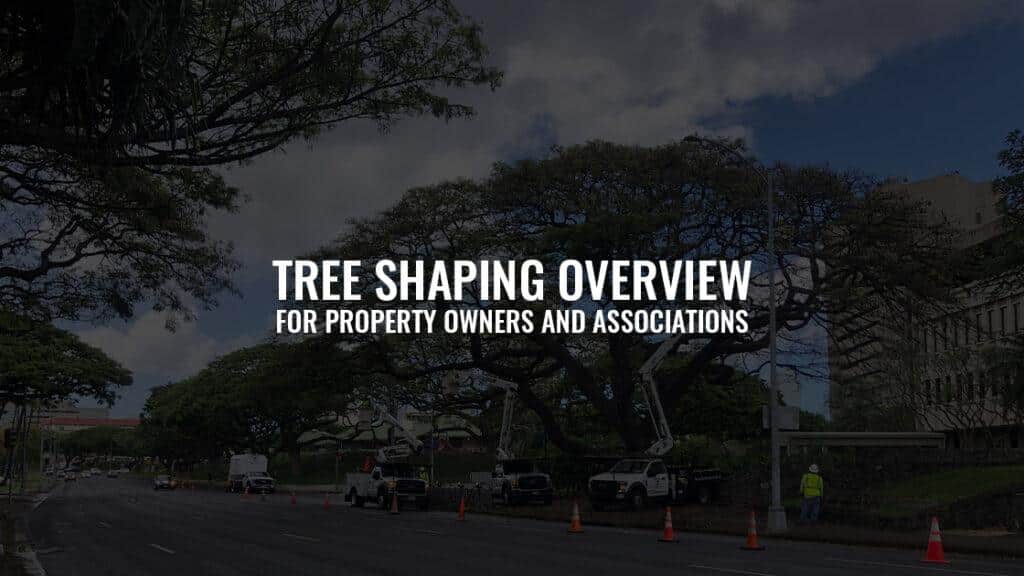
Tree shaping in Hawaii is not just an aesthetic practice but a crucial aspect of tree management that combines artistry with horticulture to direct growth, ensuring trees contribute positively to their environment in beauty, health, and safety. 1. Delving into Tree Shaping: A Detailed Process 2. DIY Tree Shaping: Empowering Property Owners Read Tree Trimming in Hawaii: A Professional’s Perspective 3. The Pivot to Professional Care 4. The Professional Advantage in Tree Shaping Read Expert Arborist Consultations: Why They’re Crucial for Tree Health 5. Enhancing Community Landscapes through Tree Shaping 6. Why Our Tree Shaping Services Stand Out View Our Tree Services Conclusion: Elevating Your Property with Professional Tree Shaping Tree shaping is a critical component of landscape management, offering enhanced beauty, health, and safety. While DIY care is possible for smaller tasks, professional expertise becomes essential as trees grow and shaping becomes more complex. Our team is dedicated to providing safe, effective tree shaping services, tailored to the unique needs of Hawaii’s property owners and associations. Ready to transform your landscape? Contact HTM Contractors today to learn how our professional tree shaping services can beautify your property while prioritizing the health of your trees and safety of your community.
Stump Removal in Hawaii: Efficient and Eco-Friendly Methods
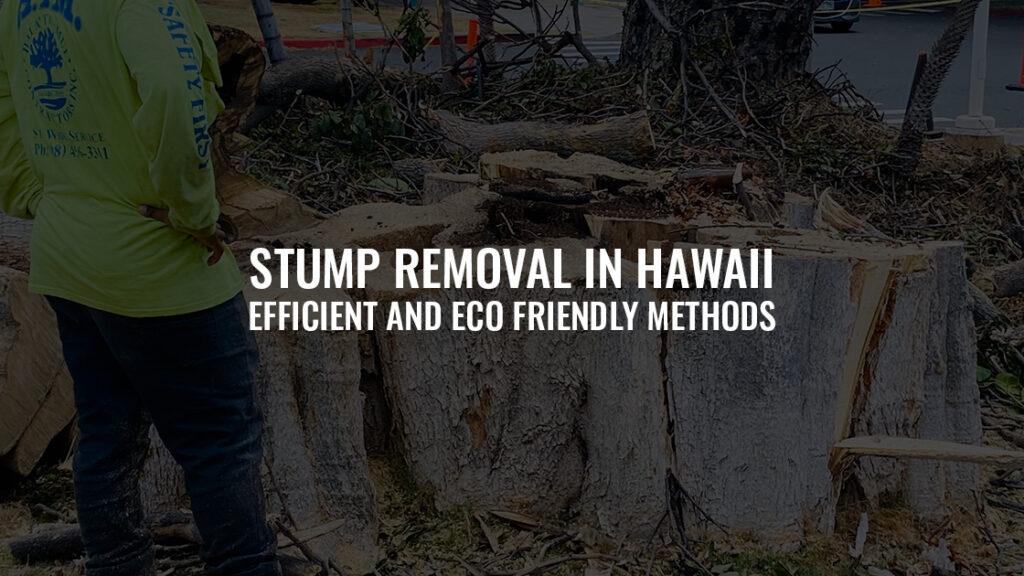
Stump removal in Hawaii‘s unique landscapes is more than just clearing space. It’s about safely removing remnants while respecting the environment. Let’s dive into the efficient and eco-friendly methods used in Hawaii, particularly in Oahu. 1. Assessing the Stump Situation 2. Choosing the Right Removal Method 3. Ensuring Safety During Removal 4. Eco-Friendly Disposal of Stump Debris 5. Post-Removal Landscaping Stump removal in Hawaii, especially in Oahu, is a task that requires careful consideration. Professionals use eco-friendly and efficient methods to ensure the health of the environment and the safety of the property. Need a stump removed in Hawaii? Our team uses environmentally conscious methods to safely clear your land and prepare it for your next project.
Tree Trimming in Hawaii: A Professional’s Perspective
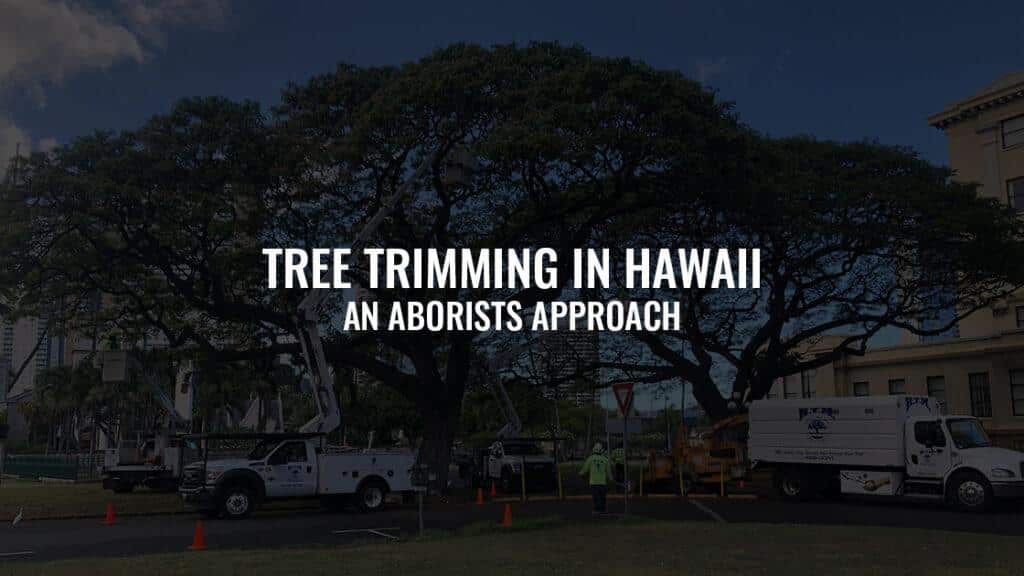
In the heart of Hawaii, especially on Oahu, tree trimming transcends mere maintenance—it’s a blend of art and science. Arborists, with deep respect for nature, ensure each cut serves the tree’s health, safety, and the natural beauty of the islands. Join us as we delve into the approach Certified Arborists take to preserve and enhance Hawaii’s lush landscapes. 1. Understanding Tree Species in Hawaii: A Tailored Approach Each tree species in Hawaii’s diverse ecosystem has its own unique growth pattern and needs. Professionals adeptly tailor their trimming techniques to suit these varied species, ensuring that each tree not only survives but thrives in its environment. 2. Tree Health Evaluation: The Cornerstone of Effective Trimming Early detection of diseases and pests is pivotal for maintaining tree health. Arborists conduct thorough evaluations, considering a tree’s age and overall condition, with a special focus on preserving Oahu’s iconic, ancient trees. 3. Prioritizing Safety: A Dual Focus Safety is paramount, both for property owners and the arborists at work. From conducting risk analyses to prevent damage to structures and utility lines, to adhering to rigorous safety protocols in challenging conditions, this commitment ensures a harm-free environment. Read Post Storm Tree Safety In Hawaii 4. Aesthetic and Functional Goals: Crafting Nature’s Masterpieces Tree trimming in Hawaii aims to enhance the tree’s natural beauty while maintaining its health and vigor. Arborists strike a delicate balance between aesthetic appeal and the functional growth of trees, enriching Hawaii’s already stunning landscapes. 5. Legal and Environmental Considerations: Trimming with Conscience Adherence to local laws and regulations is just the beginning; environmental sustainability remains at the forefront of every decision. This respect for Hawaii’s ecological values ensures that tree trimming practices promote the long-term health of the environment. 6. Long-term Tree Health in Oahu With an eye on the future, professionals plan trimming activities to accommodate Hawaii’s unique environmental challenges, advocating for regular maintenance to ensure trees can withstand the tropical climate. 7. The Art of Trimming: Tools and Techniques for Perfecting the Canopy Trimming a tree is a careful process that requires the right tools and methods to ensure the health of the tree and the safety of the arborist. Here’s a look at how professionals approach the task: Selecting the Right Tools The choice of tools depends on the size of the tree, the thickness of the branches, and the specific trimming goals. Common tools include: Professionals always ensure their tools are sharp and clean to promote healthy healing in trees. Accessing the Canopy Reaching the branches that need trimming is a challenge in itself. Arborists typically use one of the following methods: Read Essential Palm Tree Trimming Tips Trimming Techniques Effective tree trimming in Hawaii is more than just removing branches; it’s about promoting the tree’s health and aesthetic appeal. Arborists follow a few key principles: Conclusion: Tree trimming in Hawaii is an intricate dance with nature, requiring expertise, foresight, and respect for the living landscape. It’s not merely about cutting branches—it’s about nurturing the tree’s life and, by extension, the beauty of the islands.